What Age is Best for a Balance Bike?
Balance bikes have become a popular choice for parents looking to introduce their children to the joys of cycling. These pedal-less wonders are designed to help kids develop balance and coordination before transitioning to a traditional bicycle. But the burning question remains: what age is best for a balance bike? Let’s dive into this topic and explore the ideal age range, benefits, and considerations for choosing the right balance bike for your child.
Key Takeaways:
- Balance bikes are suitable for children as young as 18 months.
- The primary goal is to develop balance and coordination, not speed.
- Choosing the right size and fit is crucial for safety and effectiveness.
Understanding Balance Bikes
Balance bikes are a modern twist on the classic bicycle, stripped down to the essentials. They lack pedals, chains, and training wheels, focusing solely on helping children master the art of balance. By allowing kids to push themselves along with their feet, these bikes offer a safe and intuitive way to learn cycling fundamentals.
The simplicity of balance bikes makes them an excellent choice for young children. Unlike traditional bikes with training wheels, balance bikes encourage kids to rely on their sense of balance rather than external support. This approach not only builds confidence but also lays a solid foundation for future cycling endeavors.
Ideal Age Range for Balance Bikes
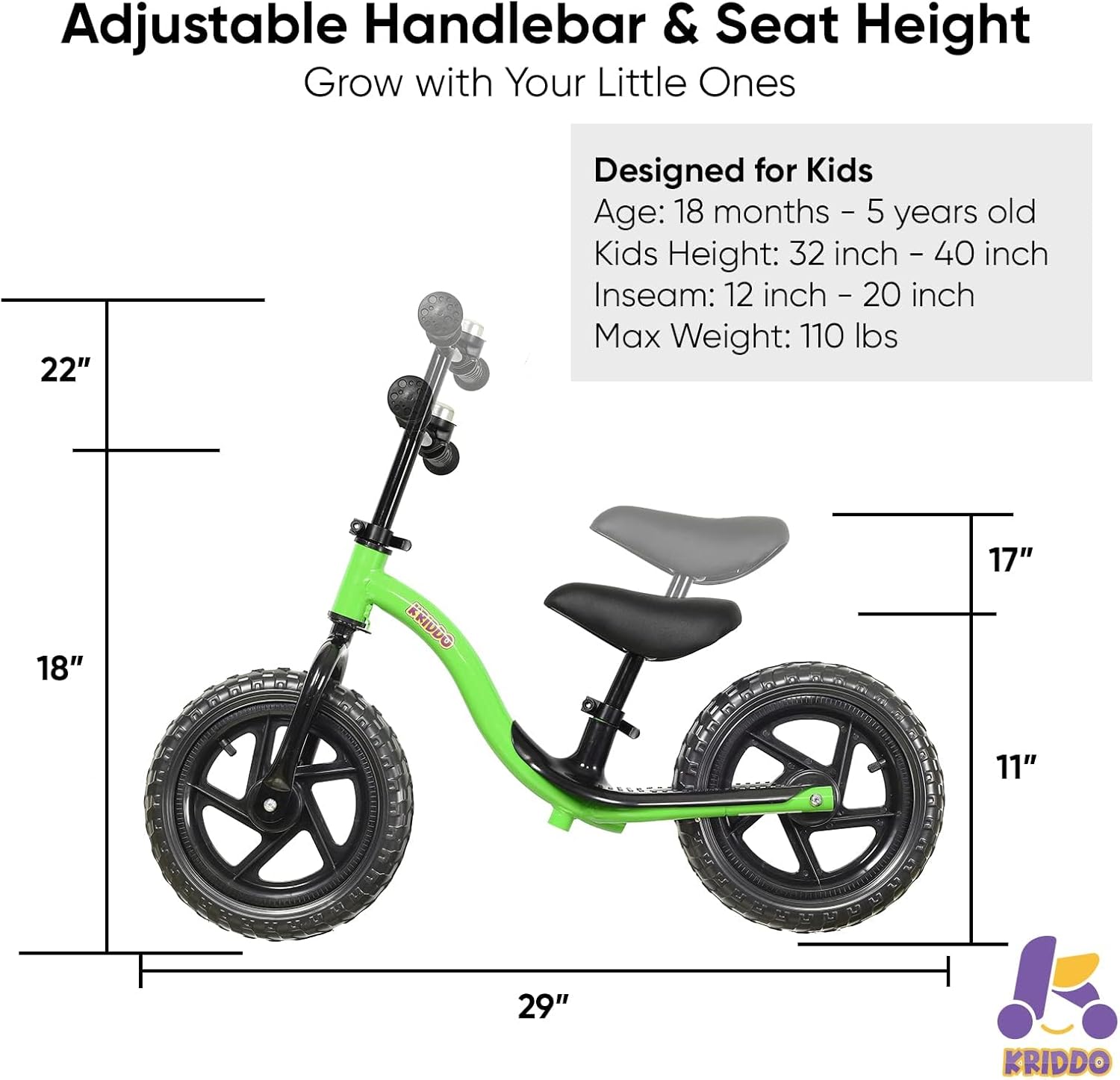
The sweet spot for introducing a balance bike is typically between 18 months and 5 years old. At around 18 months, many toddlers have developed the necessary motor skills and coordination to start experimenting with a balance bike. However, every child is unique, and readiness can vary.
For younger toddlers, it’s essential to choose a balance bike with an adjustable seat and handlebars. This ensures that the bike can grow with your child, providing a comfortable and safe riding experience. As children approach the age of 5, they may be ready to transition to a pedal bike, having mastered the balance and coordination skills needed.
Benefits of Starting Early
Introducing a balance bike at an early age offers numerous benefits. First and foremost, it helps children develop a strong sense of balance and coordination. These skills are crucial not only for cycling but also for various physical activities and sports.
Moreover, starting early allows children to build confidence in their abilities. As they learn to balance and steer, they gain a sense of independence and accomplishment. This newfound confidence often extends beyond cycling, positively impacting other areas of their lives.
Choosing the Right Balance Bike
Selecting the perfect balance bike involves more than just picking a color your child likes. It’s crucial to consider factors such as size, weight, and adjustability. A bike that’s too large or heavy can hinder your child’s progress and even pose safety risks.
When choosing a balance bike, ensure that your child’s feet can touch the ground comfortably while sitting on the seat. This allows them to push off and stop safely. Additionally, opt for a lightweight bike that’s easy for your child to maneuver. Adjustable features, such as seat height and handlebar position, are also important to accommodate your child’s growth.

Safety Considerations
Safety should always be a top priority when introducing your child to a balance bike. Ensure that your child wears a properly fitted helmet every time they ride. Helmets protect against head injuries and instill good safety habits from an early age.
It’s also important to supervise your child while they’re learning to ride. Choose safe, open spaces free from traffic and obstacles for practice sessions. Encourage your child to start slowly and gradually build up their speed and confidence.
Transitioning to a Pedal Bike
Once your child has mastered the balance bike, transitioning to a pedal bike becomes a breeze. The skills they’ve developed on the balance bike, such as balance and steering, will naturally transfer to a pedal bike. This often eliminates the need for training wheels altogether.
When making the transition, choose a pedal bike that fits your child’s size and skill level. Look for a lightweight model with a low center of gravity to make the learning process smoother. Encourage your child to practice in a safe environment and provide plenty of positive reinforcement.
Summary
Balance bikes are an excellent tool for teaching young children the fundamentals of cycling. By focusing on balance and coordination, these bikes prepare kids for a seamless transition to pedal bikes. The ideal age range for starting with a balance bike is between 18 months and 5 years, but readiness can vary from child to child. Safety, size, and adjustability are key factors to consider when choosing a balance bike. With the right approach, your child will be well on their way to becoming a confident and skilled cyclist.
FAQ
Q1: Can a child start using a balance bike before 18 months?
A1: While some children may show interest and ability before 18 months, it’s generally recommended to wait until they have developed sufficient motor skills and coordination. Always prioritize safety and ensure the bike is appropriately sized for your child.
Q2: How long should a child use a balance bike before transitioning to a pedal bike?
A2: The duration varies depending on the child’s progress and comfort level. Some children may be ready to transition within a few months, while others may take longer. Focus on your child’s confidence and ability to balance before making the switch.
Q3: Are balance bikes suitable for older children who haven’t learned to ride yet?
A3: Yes, balance bikes can be beneficial for older children who are new to cycling. They provide a safe and effective way to develop balance and coordination, making the transition to a pedal bike smoother and more enjoyable.